Scott Méxcal
 Scott Méxcal•September 14, 2024
Scott Méxcal
Scott Méxcal•September 14, 2024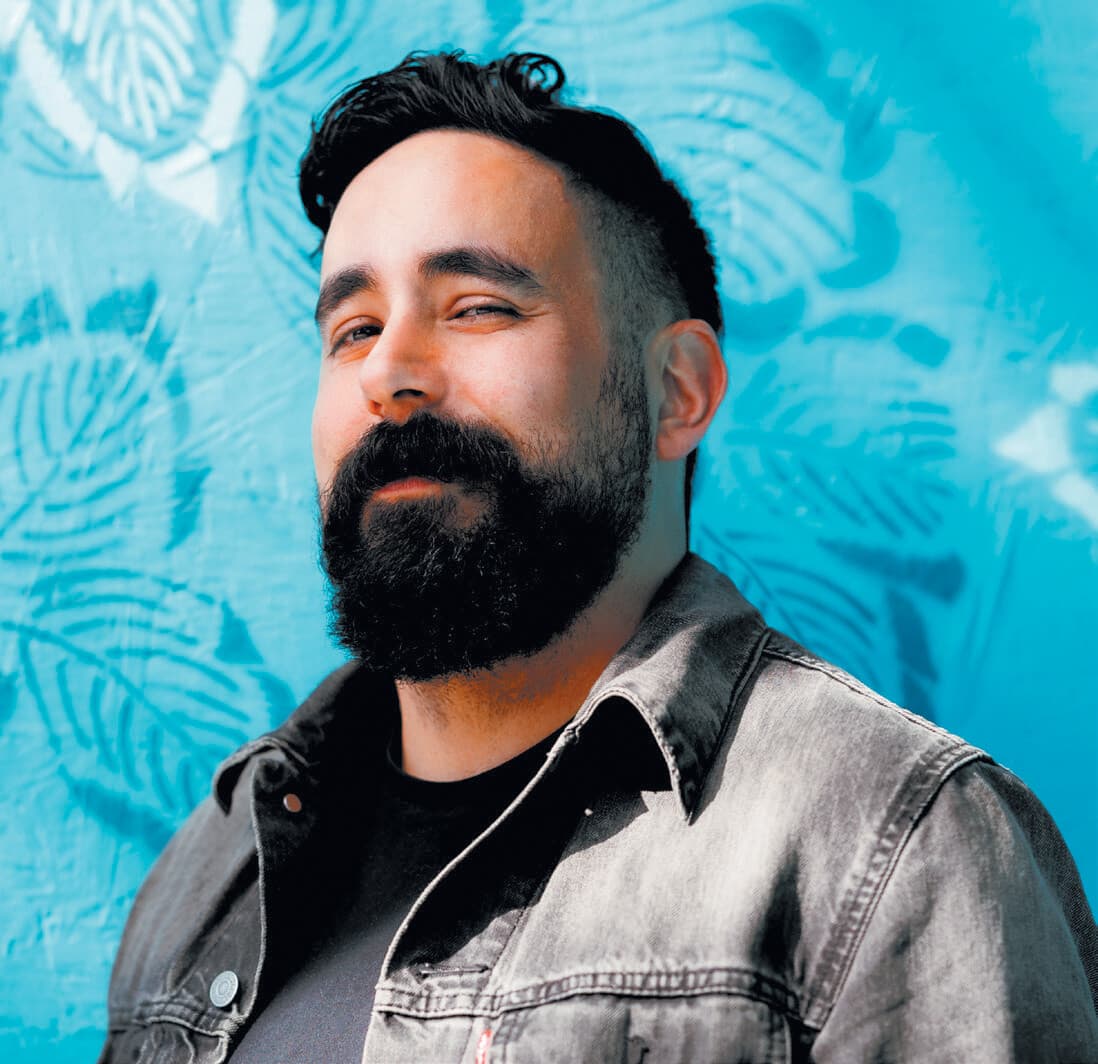
I am a cultural worker in socially engaged practice art, an art form that combines creative practice with community social justice work. The core of my practice is my training as a painter, which I use to create gallery work, community murals, digital imagery, and installation works. This work includes creating public art projects, mentoring underserved youth, and art activism.
My work explores personal identity in the context of Latinx/Chicanx narratives. The work touches on ideas of displacement, migration, exclusion, ancestor work, and language. I draw from my personal family history and experience mentoring migrant young people who have experienced incarceration. My work aims to present a broader view of what it is to be American, Latinx, and male-identified and offer commentary on issues of multiculturalism, assimilation, white supremacy/ racism, and sexism. The themes I explore in my work include belonging, community healing, and counternarrative.
I believe in abolishing systems of oppression such as systemic racism, the prison-industrial complex, environmental injustice, systemic poverty, racialized capitalism, and settler colonialism of indigenous land. I believe the way forward is through creating sustainable systems, restorative justice, and community support networks.
My love for art began in the street, and it stays there. Growing up in the early nineties, I remember a WildStyle graffiti piece behind a muffler shop in my neighborhood. My little brother and I would take bike trips to look at it. I still remember how its turquoise outline stood out from the red cloud in the background.
Later, I would get really into lowriding. I helped my younger brother build a lowrider bike, and I had a ’63 Chevy that was my great-grandfather's. It had neon lights inside and out. It looked like a Route 66 motel when I would take it out cruising. My first creative job was a tattoo apprenticeship when I was still a senior in high school. I cut that gig short to move to Seattle to go to art school. Eventually, I would study graphic design and classical painting. But I have never lost my interest and love for street art.
I’m currently putting together a lecture on the “Graffiti Towers” in downtown Los Angeles, which I think are a fascinating intersection of income inequality, art, property ownership, over-policing, and public space. I think the graffiti and street art scene in Seattle is having a moment, too. The quality of work has always been solid in Seattle, but I feel like it's recently leveled up. World-class artists are coming up in the city, and it's exciting to watch.
I grew up in the New Mexico desert where my ancestors lived before the Treaty of Guadalupe Hidalgo. Similar to many Mexican American children, school was a hostile space. I struggled to connect with the Eurocentric curriculum taught by white teachers who sat the Mexican American kids in the back of the classroom. Our school was quite literally falling apart. The roof of our classroom leaked when the desert rains came, and the dirt playground flooded until it looked like a lake of chocolate milk. I spent days staring at the clock, waiting to go home. When the teacher instructed us in arithmetic or read Henry Huggins aloud I drew on my desk instead.
In second grade, the school district held a poster contest to promote a proposed levy to bring much-needed money to the schools. I drew our classroom with the leaky roof and the desks, students, teacher, and even the class gerbil floating around like we were in the deep end of the swimming pool. For my tagline, I choose “Do Help, Vote Yes.” It was a simple and clear message.
Weeks went by. I totally forgot about the poster contest. Much to my great surprise, one day, I learned that I had won! I beat out every second grader in the district. I even got a 64-pack of Crayons (the one with the sharpener in the back!). From that defining moment, I knew I would grow up and become an artist.
I have no doubt that art has the power to change the world. It changes us on an individual level all the time. A good song changes our mood, a compelling photograph changes our perspective, and a well-designed space changes how we live. If art can change us on a personal level, it can change us as a community. If a community can change, the momentum can carry into the world.
Art is a fundamental element of culture. Cultural change is a radical force. What we often think of as political is, in fact, cultural. A mentor of mine taught me this. MAGA and BLM are both fundamentally cultural movements. They may inform policy, but, for better or worse, culture ultimately drives change.
I had the privilege of taking a workshop with a hero of mine, Emory Douglas, Minister of Culture for the Black Panther Party. He created the iconic imagery that is associated with the Panthers. I was not surprised to learn that the work of José Guadalupe Posada influenced Douglas. Both artists were crucial in utilizing art to help define the revolution.
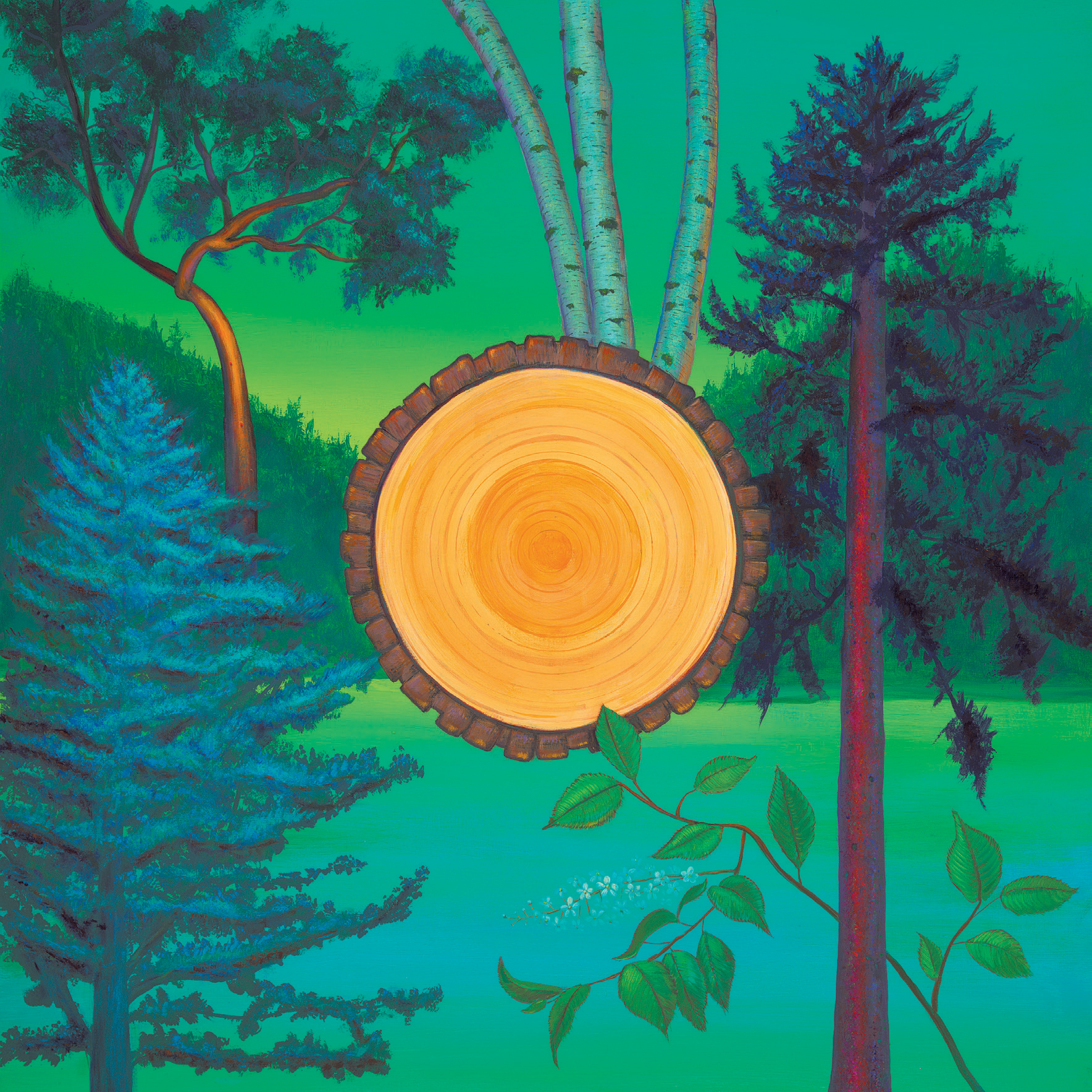
Acrylic on panel; 36"x36"
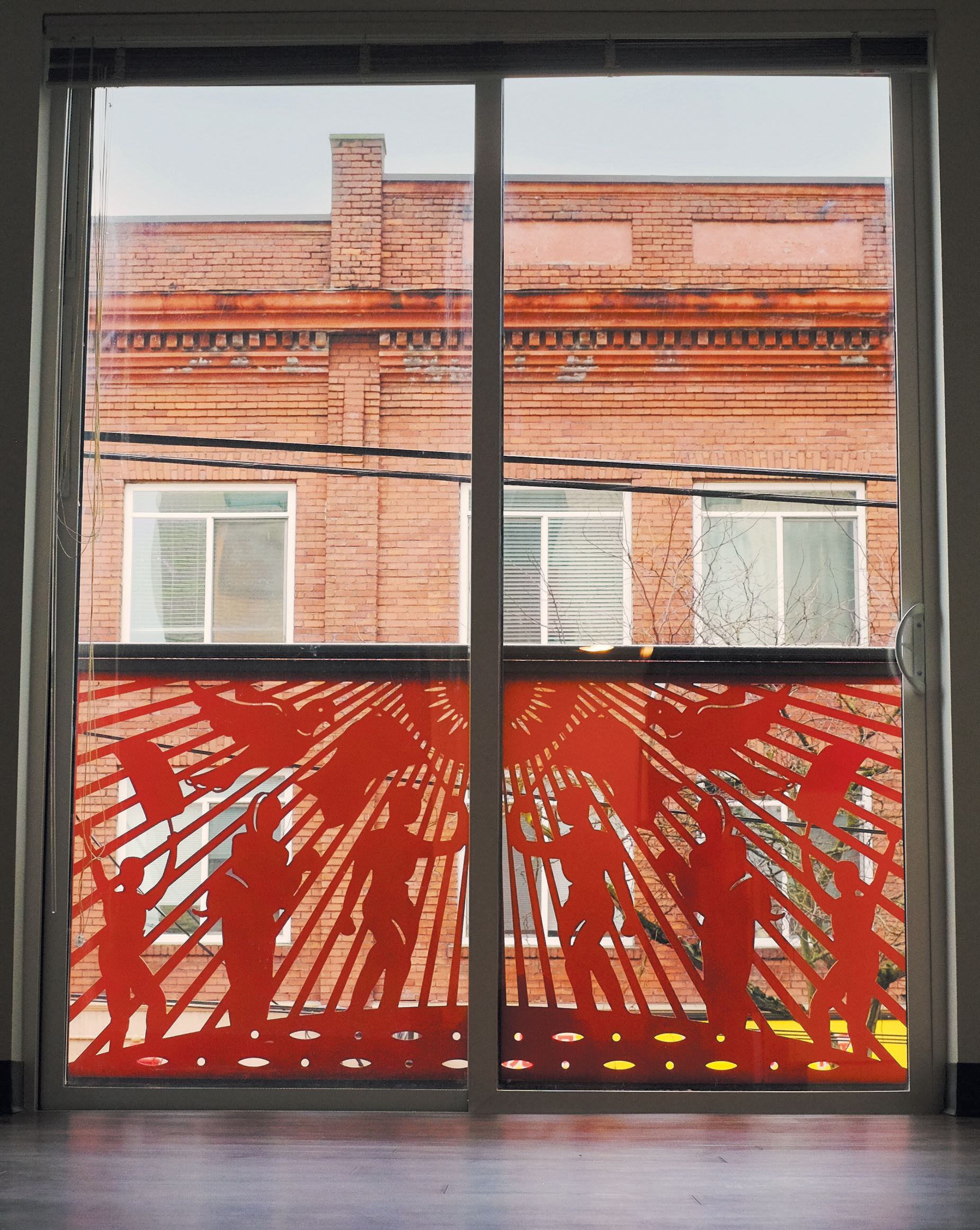
Balcony railing: laser cut powder coated aluminum; 84"x50".
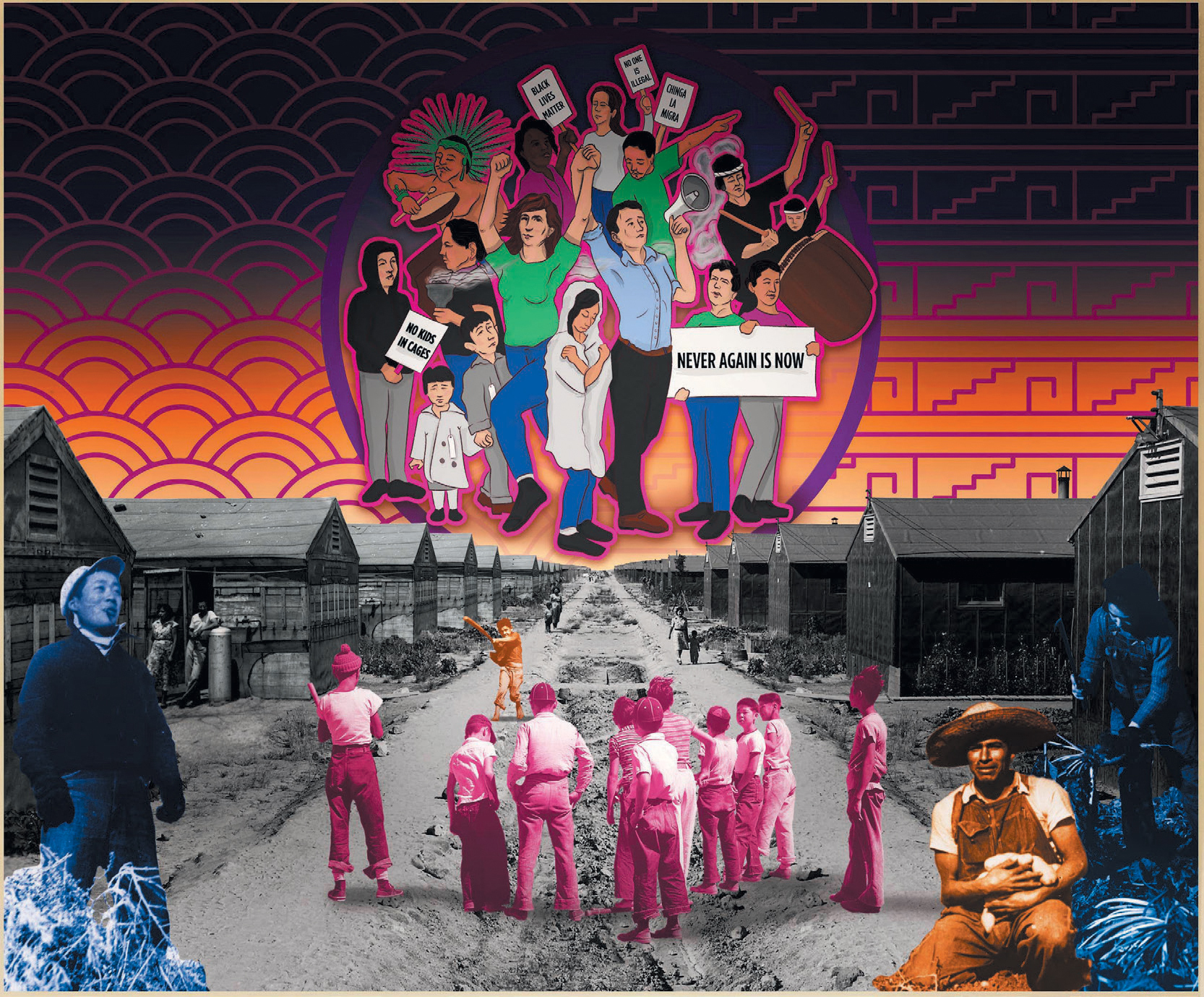
Collaboration with Erin Shigaki; digital output on dibond; 139"x115"
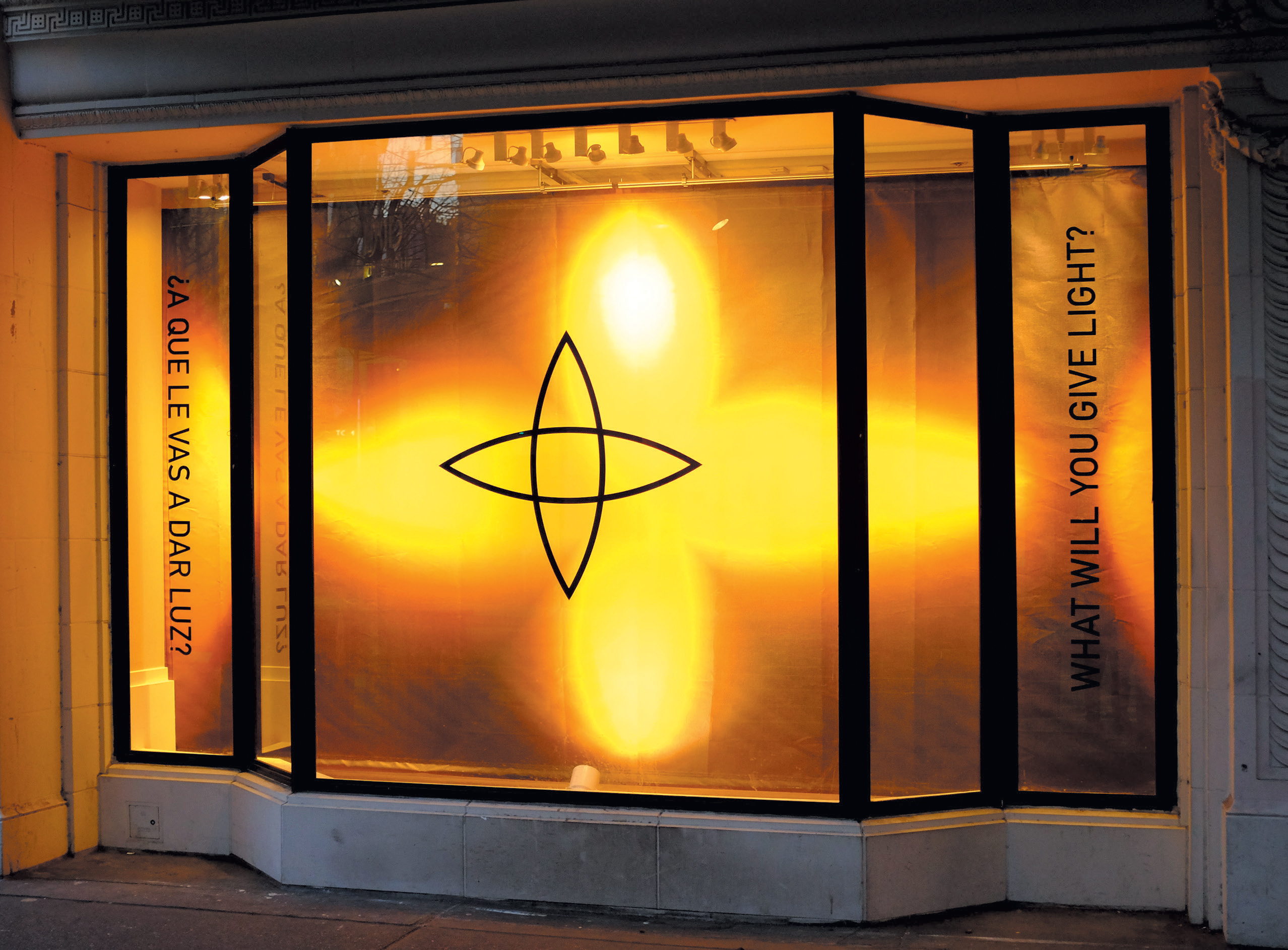
Printed scrim, lighting, vinyl window graphics; 14'x8.25'
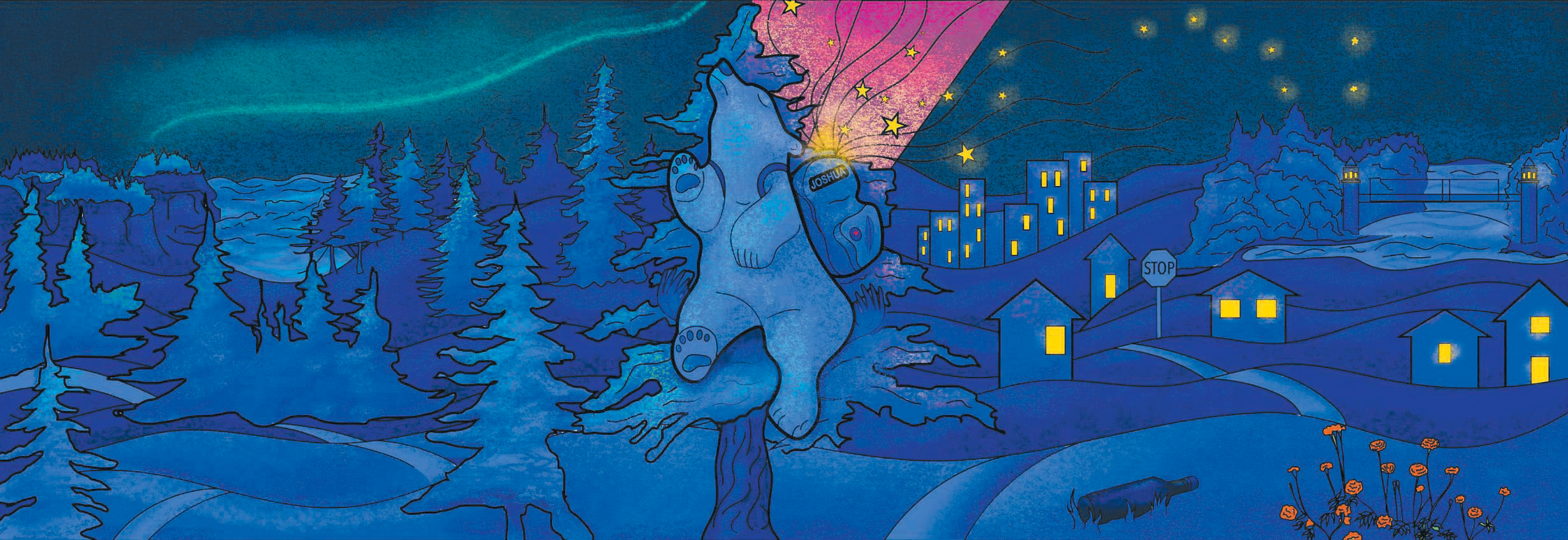
A community-based high-school mural project created for a classmate; digital rendering; 8.2’x2.8’.