Lean In
A new generation of leaders want you to get up real close to the art
Lean In
A new generation of leaders want you to get up real close to the art
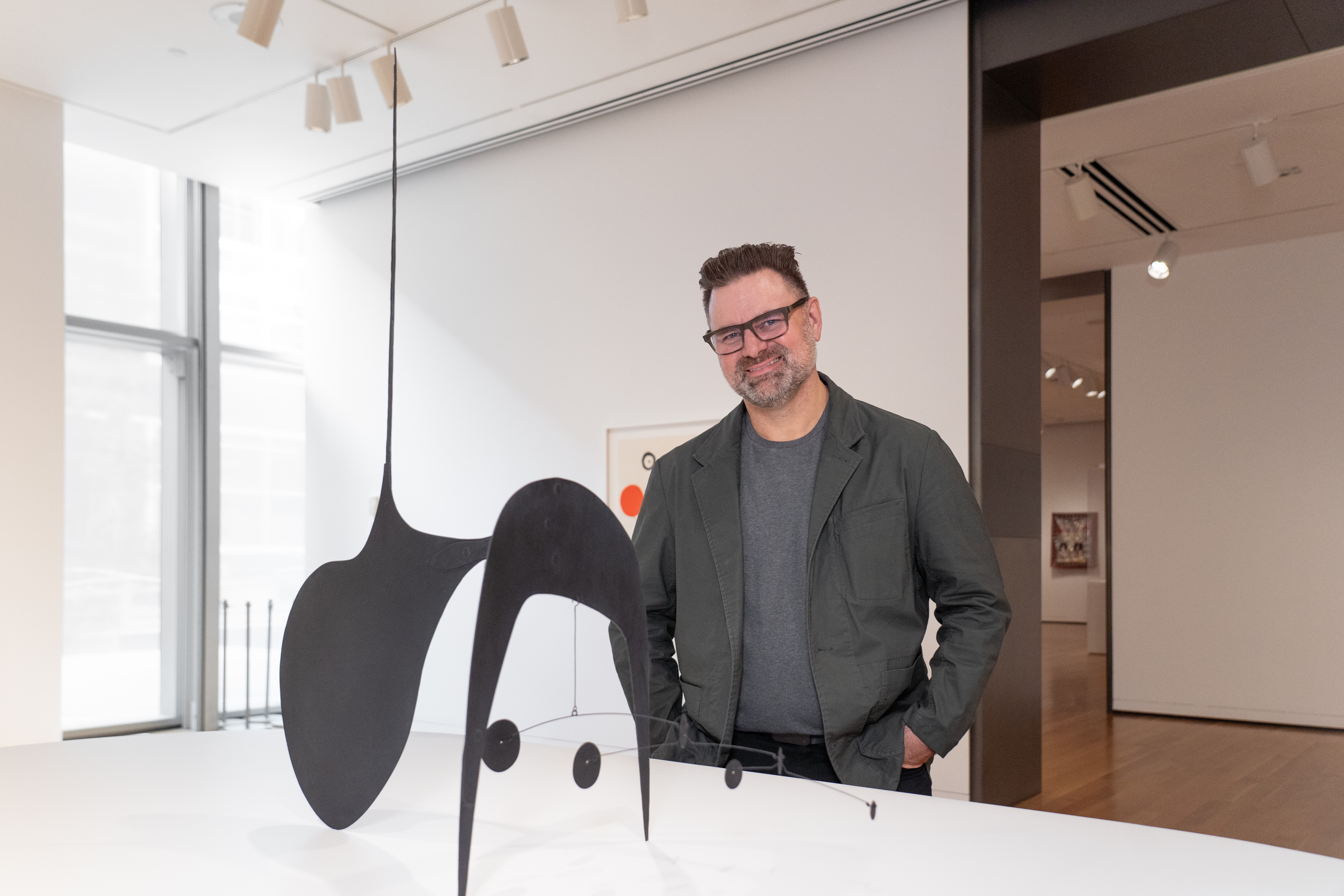
This past October marked the first time since the onset of the COVID-19 pandemic that Seattle Art Museum opened its doors for its popular, now-returned Free First Thursdays. But guests experienced far more than a complimentary pass to see the newly unveiled Joyce J. Scott exhibit or a chance to pay last respects to John Grade’s iconic, soon-to-depart Middle Fork sculpture. Upon entering, they were greeted by Scott Stulen, SAM’s new director and CEO. Decked in Kraken merch and stationed at a table, he beckoned guests to gather round and swap ideas with him. The brainstormy meet-and-greet offered a sneak peek into a new way of doing things at Seattle’s flagship art museum.
Stulen’s Shark Tank-ish outreach—an invite for “people to come and pitch me ideas in person”—forms one small part of his ambitious strategy to expand the museum’s social footprint in Seattle. “I really believe that, in order to bring new audiences in, particularly audiences under 50, we need to think about ways that we make the museum feel more fun and approachable and still be smart,” he says. One idea that emerged was a silent disco at both Downtown SAM and Olympic Sculpture Park. (That one’s a keeper, says Stulen.) Others suggested setting up co-working space in the museum, featuring more local artists, and generally creating more space to relax, sketch, or even listen to records.
Stulen isn’t the only newly appointed leader in Seattle who is mulling over ways to satisfy donor classes while also reaching out to everyone else. Just a block away at Benaroya Hall, the Seattle Symphony (SSO) has announced Grammy-winning conductor Xian Zhang as the orchestra’s new musical director. She is notably one of only two women leading major symphonies in the United States and a demonstrated champion of programming that celebrates ethnic diversity and forefronts women artists. Further uptown, the Seattle Opera recently named James Robinson as its general and artistic director. During his tenure at Opera Theatre of Saint Louis, he nurtured a rich ecosystem incubating new operatic works, expanding opera’s reach beyond its extant niche.
Stulen, Zhang, and Robinson form a triumvirate leading three of the city’s major cultural organizations. Together, they have the potential to fundamentally alter how Seattleites spend their time and encounter the arts—ultimately shifting where Seattle residents feel they belong.
+++
Xian Zhang likens a first visit to the symphony to trying a new food while traveling abroad. You’re given a dish you’ve never tasted, you don’t know what it’s called, but you’re hooked once you try it.
“Getting the first taste of it is what I try to do for the people who’ve never heard a live symphony orchestra,” she says. “But how do we put the word out there? How do we make ourselves more accessible to that audience? That's my thinking.”
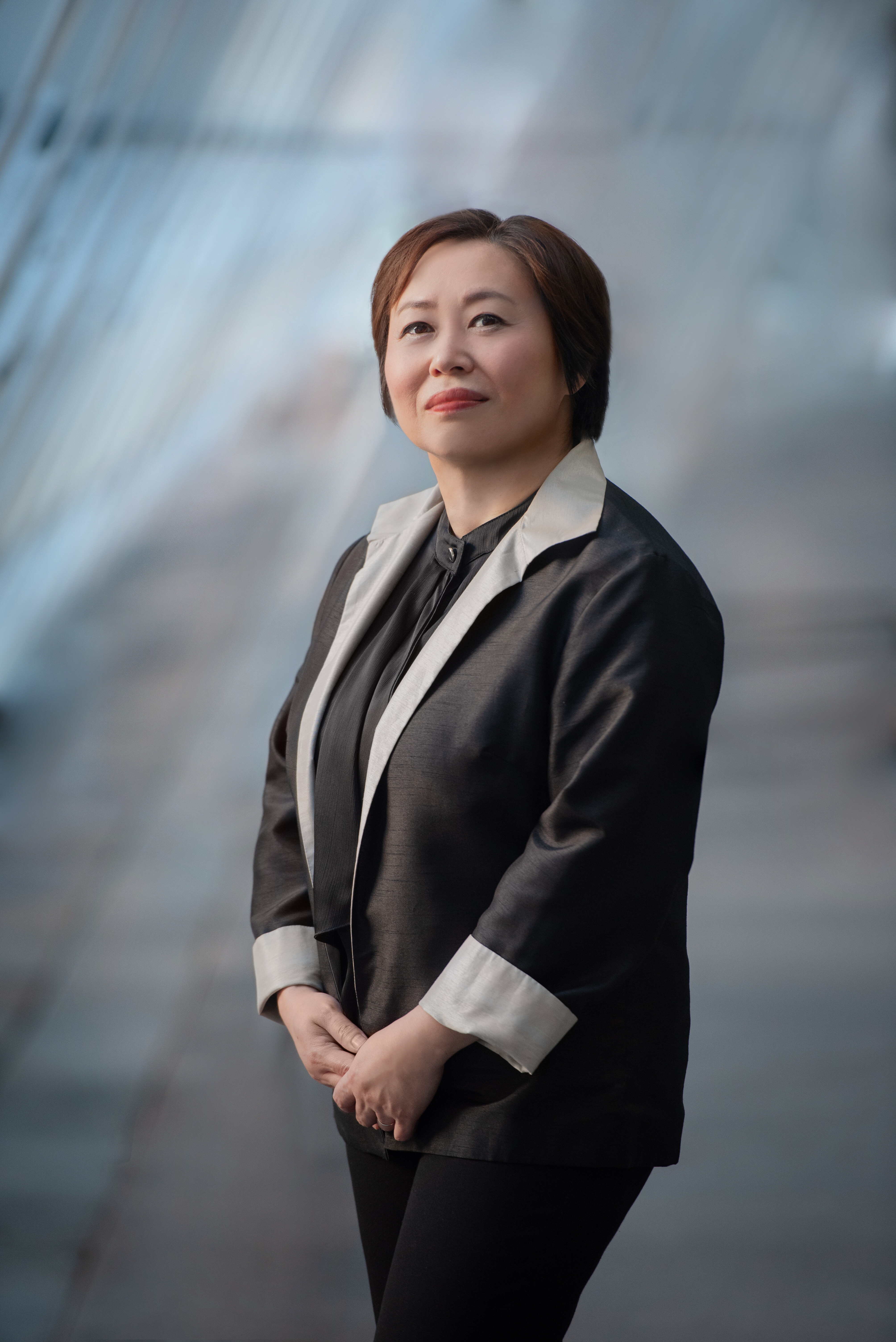
Zhang officially steps into her Seattle role starting with the 2025/26 season. It will be the orchestra’s first year with full leadership since the abrupt departure of former musical director Thomas Dausgaard in 2022, who claimed he felt “not safe,” “threatened,” and silenced during his time at the helm of the Symphony. SSO denied those allegations.
Zhang seems more focused on putting the final touches on next year’s programming than dissecting prior directorial disagreements. She plans to work bicoastally through 2028, which will mark the end of her tenure as musical director of the New Jersey Symphony (until recently known as the New Jersey Symphony Orchestra or NJSO). Under Zhang’s guidance, the NJSO tripled the number of guest conductors, composers, and artists gracing its stage (accounting for roughly 35% of its programming). Zhang also launched an annual Lunar New Year program, commissioned works by Jewish composers, and featured artists from Detroit’s Sphinx Organization.
“We diversified our programs, we did other things, rather than just focusing on the main series, and that seemed to actually benefit both sides of programming,” Zhang says of her time at NJSO. “Audience members who had never been to our classical series came to our main series. It's like a back-and-forth. It gets merged together.”
An off-and-on guest conductor at Benaroya Hall since 2008, Zhang comes with substantial familiarity with SSO and seems poised to use that momentum to her advantage. Much of Zhang’s road map is already in place here. In recent years, Seattle Symphony has mounted a Lunar New Year gala, collaborated with Indigenous tribes in Western Washington, offered free and reduced-price concerts, and more. While subscriptions to the Symphony are still on the decline, Seattle itself is growing—and growing younger and more racially diverse. Those realities add further pressure to move away from the status quo. That may even mean an international tour in 2028, Zhang suggested, exporting the orchestra beyond its established physical footprint and elevating its global prominence.
+++
The Seattle Art Museum’s Scott Stulen is thinking about exports and footprints too. The recent opening of Overlook Park—which bridges Pike Place Market to the waterfront—connects SAM to a potential surge in foot traffic. It also makes intuitive wayfinding to the museum an overdue priority, something that is high on Stulen’s punch list. Thinking about the next few years, he is also thinking ahead to Seattle’s role as a host city for the FIFA Club World Cup and World Cup games in 2025 and 2026. Stulen envisions the museum collaborating with local artists to make special-edition jerseys. The Olympic Sculpture Park might even be used to host World Cup-related festivities, which would render the museum and its adjacent spaces a hook to visitors, with the backdrop of art serving as something they will grow to appreciate or center over time.
The hook-line-and-sinker strategy has been in Stulen’s toolbox for a while. Before arriving in Seattle, Stulen served eight years as the president of the Philbrook Museum in Tulsa, Oklahoma, and did stints at the Indianapolis Museum of Art and the Walker Art Center in Minneapolis. At the Walker, Stulen helped launch the wildly popular Internet Cat Video Film Festival. Surveys showed that 80% of the festival’s audience had never been to the museum before. The same festivalgoers returned for other exhibits and programs, many going on to become paying members.
“Suddenly, the museum was on their radar, and the museum had value to them,” Stulen says. “Before, they kind of ignored it, because it never reached out to them in that way.”
Stulen knows firsthand how museums can stymie curiosity as easily as they can nurture it. He recounts one school field trip to the Minneapolis Institute of Arts during his childhood. He found himself transfixed by a Rembrandt painting. Leaning in to get a better look at the paint Rembrandt used, he tripped the museum’s alarms. A guard almost tackled him.
Though he laughs about the incident now, the moment proved pivotal; he walked away from it wanting to become an artist himself, hoping to create “a work of art that people wanted to spend more time with and lean in to see closer.” Now, as both a practicing artist as well as museum director, Stulen says the episode also informed his curatorial ethic, which, beyond appreciating the negative customer-service implications of tackling visitors, aims to connect people with art. That means a nonjudgmental approach to a wide range of entry points that might help someone walk through a museum’s doors for the first time.
Stulen’s job at SAM comes with its share of internal challenges. Stulen’s predecessor, Amanda Cruz, departed last year for the Santa Barbara Museum of Art. During her time at SAM, Cruz steered the institution through the COVID-19 pandemic and helped guide major curatorial and operational changes in response to accusations of systemic racism and exclusion. SAM’s security staff also unionized in 2022, and it has been negotiating with the museum for increased wages and benefits ever since, recently voting to authorize a strike if their requests are not addressed by November 29. (At the time of this writing, the risk of a strike still looms.) A museum spokesperson told the Seattle Times that SAM has offered a “competitive package that reflects our values as a nonprofit organization and compensates union members at market-leading rates compared to security professionals at peer institutions in Seattle.” SAM has a $32 million operating budget and ended three of the last four years in the black.
How (and whether) Stulen confronts this labor-justice issue—acknowledging that security staff grapple with customer service responsibilities not found elsewhere in the “market”—is perhaps his most urgent challenge. His own fateful and formative encounter with museum security staff, which set him on a path to museum leadership, proves the potentially life-altering stakes at play.
+++
Seattle Opera’s tax filings paint a similar picture to SAM’s, but James Robinson doesn’t cast conditions in purely rosy terms. The institution sees inconsistent attendance across its productions, complicating projections and compelling Robinson to question whether the Opera should reduce the number of performances per production.
Robinson just completed a two-month transitional period alongside outgoing general director Christina Scheppelmann (who now serves as general director of Belgium’s national opera, La Monnaie). Like Stulen and Zhang, Robinson says he’s been brought on to shake things up. Eyeing leadership changes at other institutions—including SAM, SSO, and Seattle Rep—he says it’s an especially promising time to work alongside other major organizations in the city.
“Every arts organization in Seattle struggles with funding,” Robinson says, “I think it's forced everybody to think about how we are approaching that, and what audiences are really all about.”
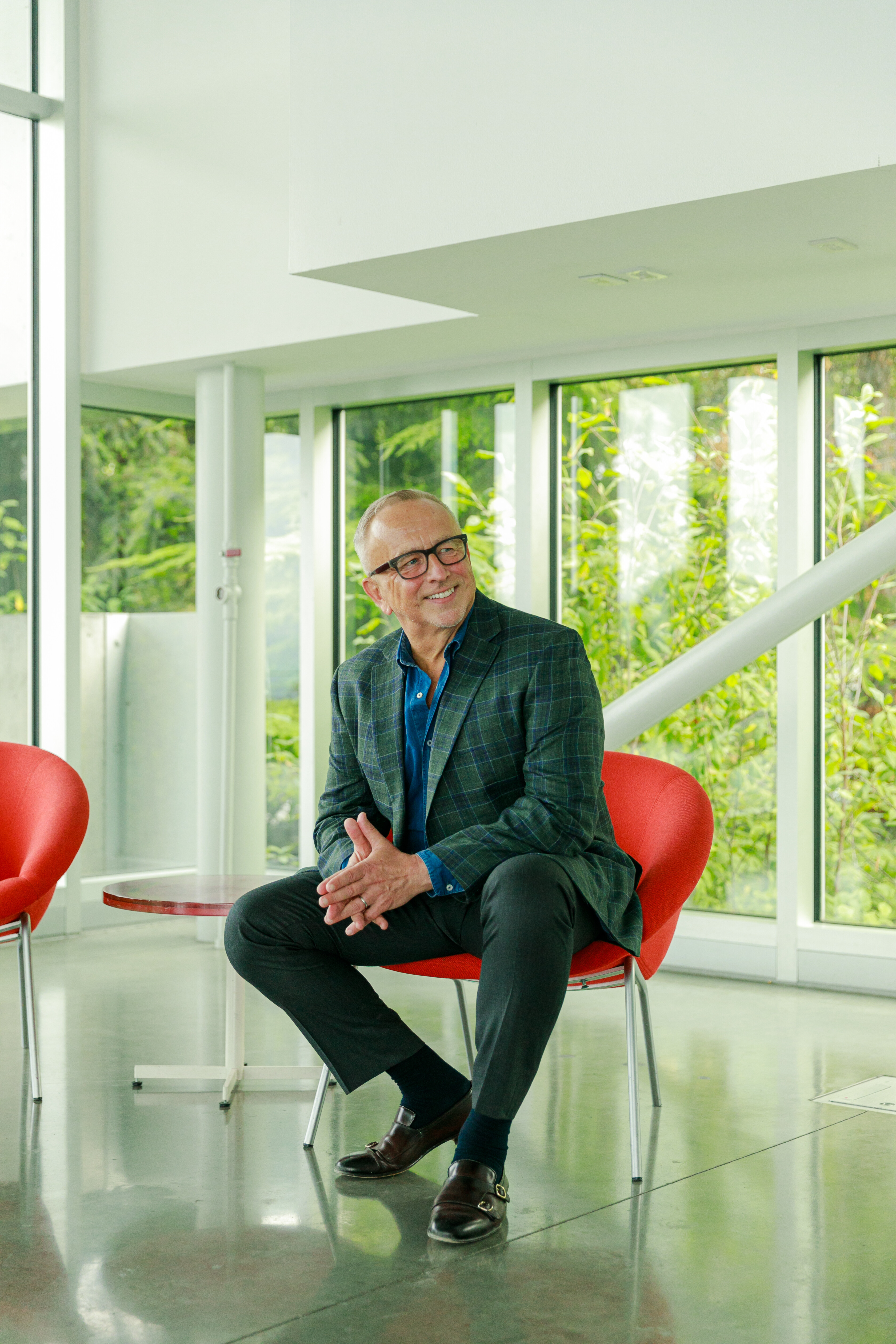
Part of that reflection requires questioning the sustainability of the “pretty solid model” that Seattle Opera has built over the years. An opera company known for its grand Wagner stagings—Ring cycles galore—faces the reality of ticket subscriptions sliding by 50%, an aging base, and the struggle to get newcomers in the door. (A kicker: Robinson holds the record for Seattle Opera’s bestselling production. He directed Carmen here in 2004, with mezzo-soprano Stephanie Blythe in the title role.)
Robinson compares operatic programming to reserving a flight around Thanksgiving. The further out you start booking, the cheaper and better your options. His five-year plan involves securing top tier international talent for roles now, as well as securing production-specific financial sponsors for its productions. The Opera used the latter strategy most recently for its successful production of Pagliacci, which snagged Seattle-based Pagliacci Pizza as a sponsor. The pizza company even sported a Pierrot-costumed Sasquatch on its boxes during the opera’s run.
The collaboration surely brought butts to McCaw Hall’s seats, though Robinson wishes the Opera had set up analytics around the pizza boxes’ QR codes. He also thinks Seattle Opera should use tools such as text messaging to reach its younger patrons more effectively. Another strategy involves co-producing works with other opera companies, as it is doing for an upcoming production ofTannhäuser, created in partnership with Washington National Opera, Houston Grand Opera, and the Canadian Opera Company. Staging the same production at several opera houses can help drive down costs, improve production, and generate buzz.
Prior to his arrival in Seattle, Robinson spent 16 years as artistic director of Opera Theatre of Saint Louis. While there, he commissioned two new operas by jazz artist and composer Terence Blanchard, whose opera Fire Shut Up in My Bones went on to be staged at the Metropolitan Opera in New York in 2021—the first opera by an African American composer in the Met’s history. Over the years, Robinson has made a point to commission works centering people from LGBTQ+ communities while further seeking out notable collaborators and artists, such as composers Huang Ruo and Unsuk Chin, playwright Rajiv Joseph, and novelist Salman Rushdie.
What Seattle Opera decides to stage fundamentally affects its relationship to the city, especially by determining who attends and whether those patrons find the opera compelling or welcoming or challenging. Robinson appreciates that Seattle has commissioned striking new works, including Tazewell Thompson’s Jubilee, but he wants to “see more of that.” Looking at Seattle’s demographics, he also wants to stage productions focusing on LGBTQ+ communities and present an opera by an Asian composer—both firsts for Seattle Opera.
“I want to make sure that we're really exploring those types of things to tell, if we really want to be community-facing, which we are,” Robinson says. “But I think it means the whole community, and it just takes a little more work. But I think we can get there.”
In Zhang, Stulen, and Robinson, Seattle has practitioners and lovers of their respective art forms who’ve proven—albeit on somewhat smaller scales—that they can rally cultural organizations behind their progressive and ambitious visions. But entering somewhat uncharted territory for some of Seattle’s best-endowed institutions will invariably involve trial and error. Not every idea can be an Internet Cat Video Film Festival or breathtaking new operatic work. The institutions’ boards are showing up with creative new strategies, even if they’re sometimes risky. More Shark Tank-like meet-and-greets may be coming down the pike.
Adam Willems is a Seattle-based journalist and researcher covering local news and culture.
