As the Country Celebrates Its 250th Birthday, Native Artists Reclaim Their Heritage and History
The Indian Arts and Crafts Act of 1990 has helped First Nation artists fight back against commercialization of their art

As the Country Celebrates Its 250th Birthday, Native Artists Reclaim Their Heritage and History
The Indian Arts and Crafts Act of 1990 has helped First Nation artists fight back against commercialization of their art
While many residents will be celebrating the country’s 250th birthday this weekend, Indigenous people have been here since time immemorial. And just as long, First Nations people have been creating art.
A more recent trend has been the commercialization of such art. Locally, artists, galleries, organizations and retailers are reclaiming First Nations art and culture with a boost from the federal government.
To combat a massive influx of counterfeiters Native jewelry and crafts, Congress passed the heavily strengthened Indian Arts and Crafts Act of 1990. The original Act was passed in 1935 as part of President Franklin D. Roosevelt's "Indian New Deal". It sought to promote the economic welfare of Native tribes during the Great Depression by expanding markets for their authentic goods.
According to the US Department of the Interior, which houses the US Indian Affairs agency, “The Indian Arts and Crafts Act (IACA) of 1990 is a truth-in-advertising law that prohibits misrepresentation in the marketing of Indian art and craft products within the United States. It is illegal to offer or display for sale, or sell, any art or craft product in a manner that falsely suggests it is Indian produced, an Indian product, or the product of a particular Indian or Indian tribe or Indian arts and crafts organization, resident within the United States.”
Notably the IACA created stricter enforcement and heavier penalties for offenders. The US Department of the Interior said in a statement, “For a first time violation of the IACA, an individual can face civil or criminal penalties up to a $250,000 fine or a 5-year prison term, or both. If a business violates the IACA, it can face civil penalties or can be prosecuted and fined up to $1,000,000.”
As recently as this past April, counterfitters were charged with selling jewelry claiming to be authentic Native craft. In the meantime, local artists continue to pursue their art.
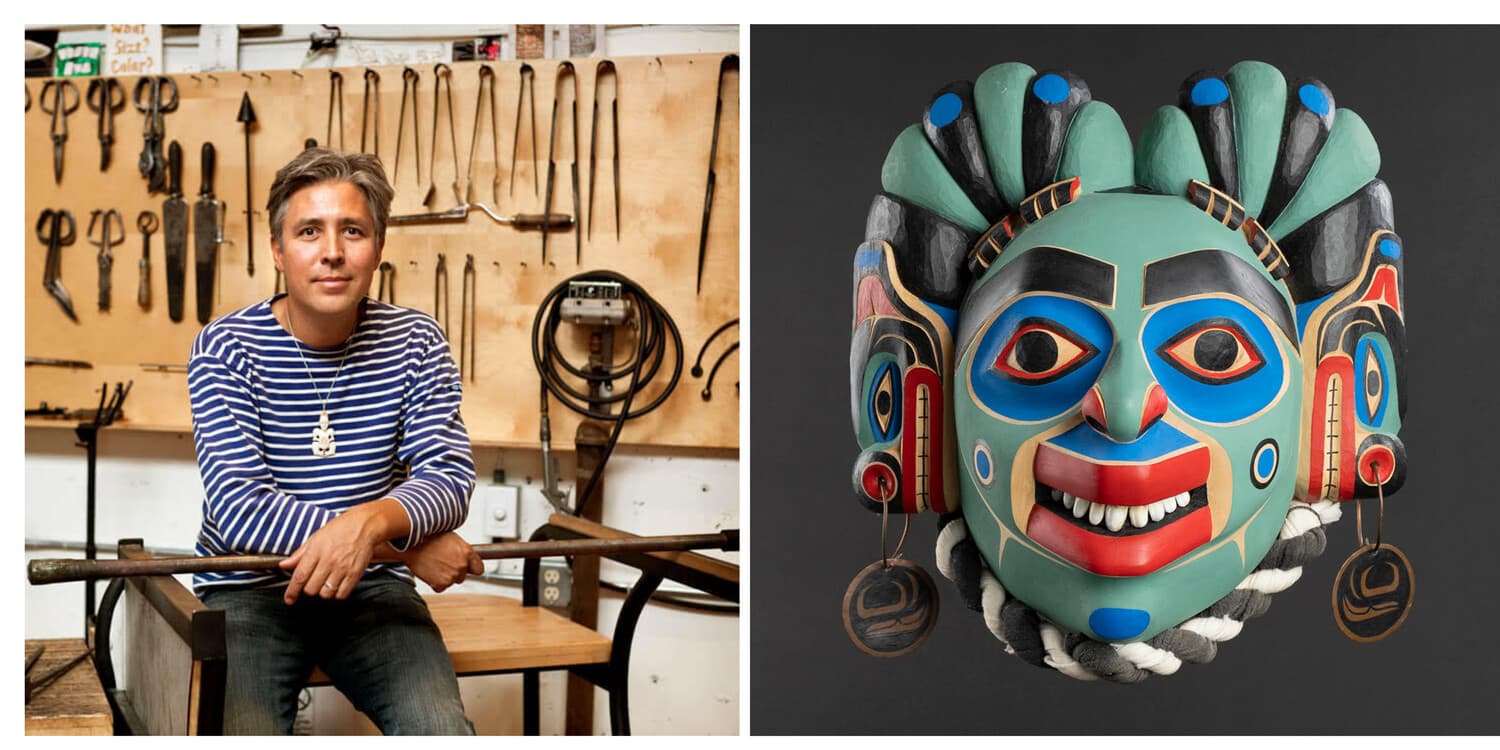
“There are people who contribute to the culture. There are people who take it and exploit it,” said Preston Singletary, the multi-racial (Tlingit, Filipino) Seattle-based artist. “That has been pushed back for many years.”
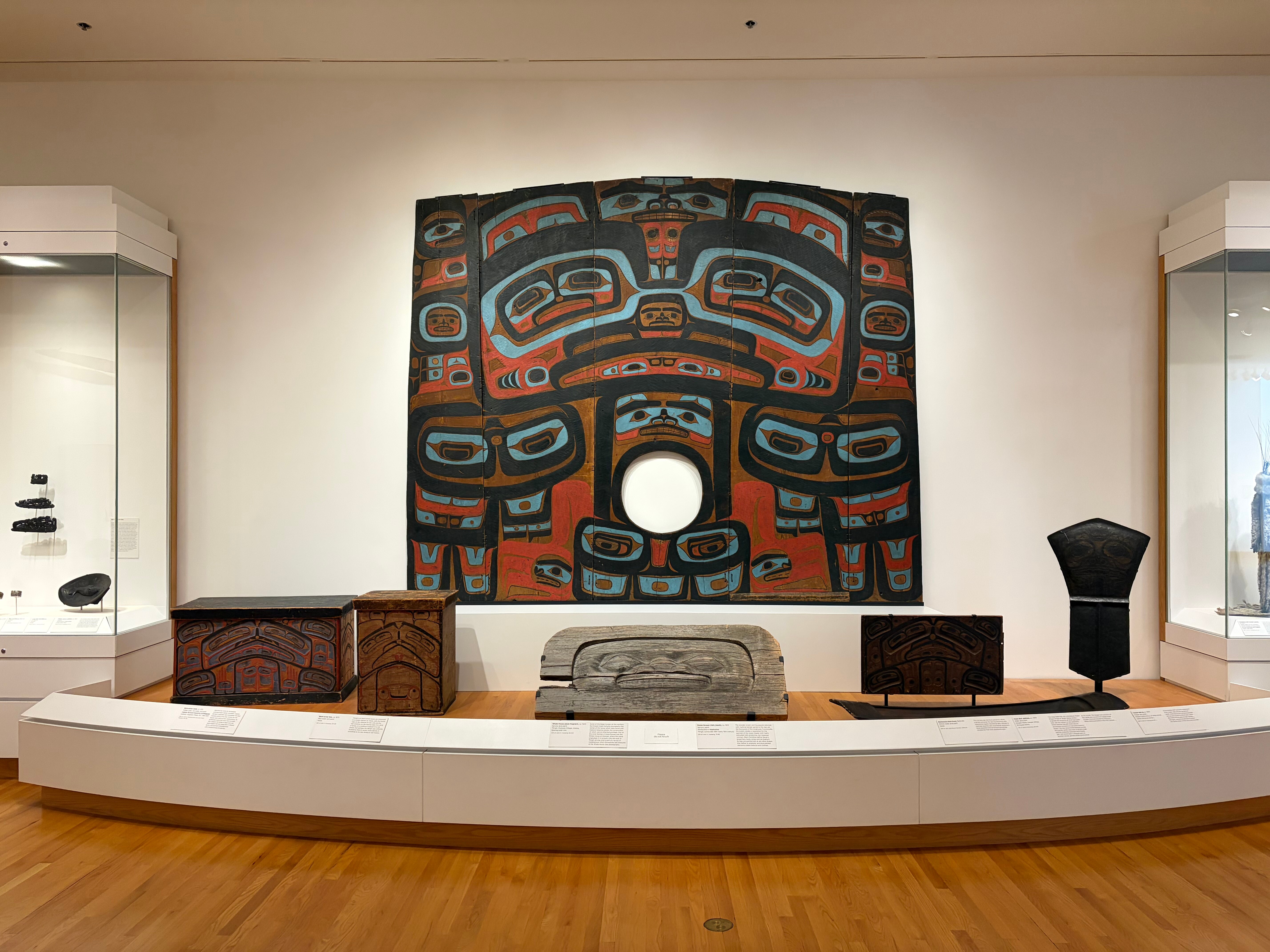
The Burke holds the fifth-largest collection of Northwest Coast Native art in the country, featuring nearly 12,000 ethnographic objects and over 5,000 historic baskets. Their Northwest Coast collections include Chilkat weavings, bentwood boxes, mountain sheep horn bowls, spindle whorls, dance masks, drums, button blankets, and frontlets.
The Seattle Art Museum permanent collection features dozens of pieces of art by Native artists, much of it curated by the late Barbara Brotherton over decades.
Stonington Gallery in Pioneer Square has featured art by nearly 100 Native artists, including prolific artists such as Singletary, Duane Pasco, Dennis Allen and Shaun Peterson. Stonington Gallery is opening a new show, the Brown Family Collection, this Thursday during the Pioneer Square First Thursday Art Walk.
Other galleries such as Tidelands, 8th Generation, Steinbrueck Native Gallery, Yub?? and Sacred Circle Art Gallery and Gift Shop (at Daybreak Star Indian Cultural Center) feature Native art year-round. Daybreak Star Indian Cultural Center is a land base and community center for Native Americans in the Seattle area and United Indians’ headquarters.
Northwest Tribal Art moved their gallery digitally in 2022 after more than four decades at brick-and-mortar locations around Seattle.
Many artists have shaped the current Native art community. The late Marvin Oliver taught fine arts at the University of Washington. Bill Holm, who was not a tribal member, taught Art History at the University of Washington and influenced generations of artists pursuing Native art.
Currently active are the likes of Singletary, represented by Traver Gallery, who combines Tlingit aesthetics with multiple mediums, such as glass, bronze and wood carvings. He is also a musician, filmmaker. Last year, he designed the set for Pacific Northwest Ballet’s The Sleeping Beauty.
Artists such as Wendy Red Star, Peterson, Nicholas Galanin, Louie Gong and Robert Davidson, and filmmaker Tracy Rector continue to shape the direction of Native art, while honoring the heritage.
![Preston Singletary is among the local artists who tell stories of their native heritage through their art [image on the left] Princess and Woodworm by Wayne Alfred is among the featured masks in Stonington's new show opening this week [image on the right]](https://artlove.org/art/photos/posts/originals/90179_cff37c60f2ecd98d.jpg)